Reflection on the PROPA Bomba Research Conference
This is a reflection on my recent research trip to Puerto Rico for the 11th Bomba Research Conference, organized by PROPA—the Puerto Rican Organization for the Performing Arts. Although the conference is held biennially, this was its 11th iteration. It was a deeply enriching experience that helped shape my understanding of bomba comunitaria.
One of the key takeaways was the distinction between bomba comunitaria, bomba del pueblo, and folkloric bomba. This topic was discussed extensively at the conference, and it’s clear that more people are beginning to grasp the social, cultural, and political implications of bomba as a musical tradition.
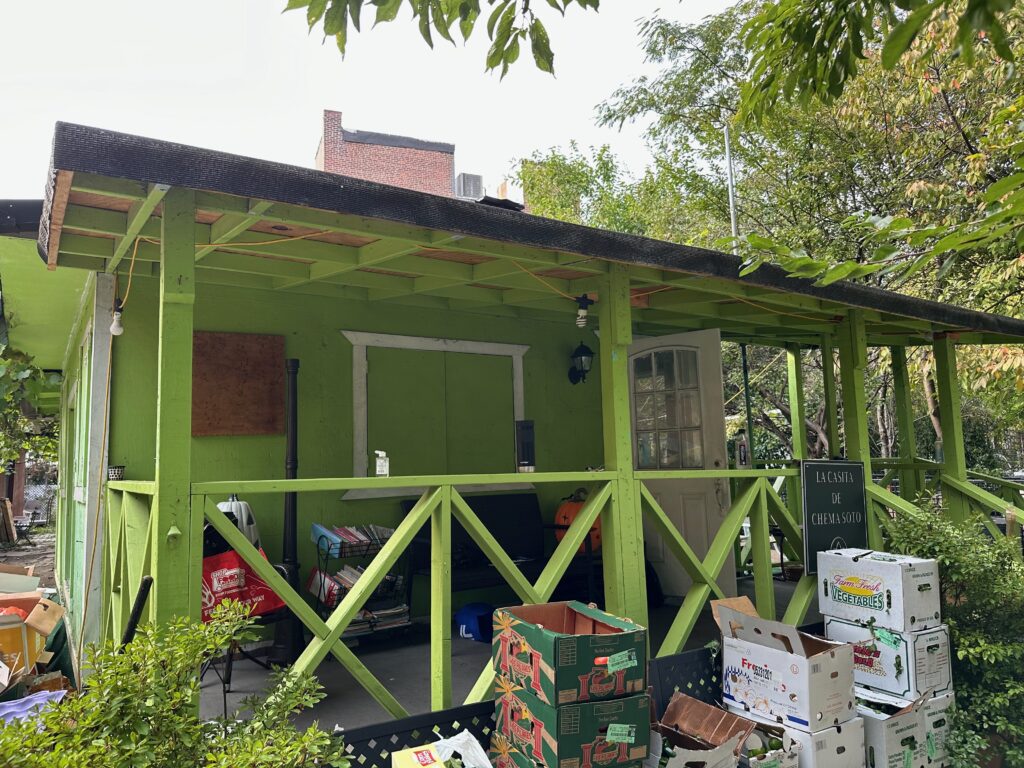
A particularly impactful event was moderated by Melanie from PROPA, featuring Desseree Soto of La Casita de Chema in the Bronx and María Luisa Cortijo from Loíza, Puerto Rico. What struck me was the use of bomba in non-performance spaces—outside of the stage and beyond the folkloric, institutionalized versions. The framing of bomba in these contexts was deeply political, social, and cultural.
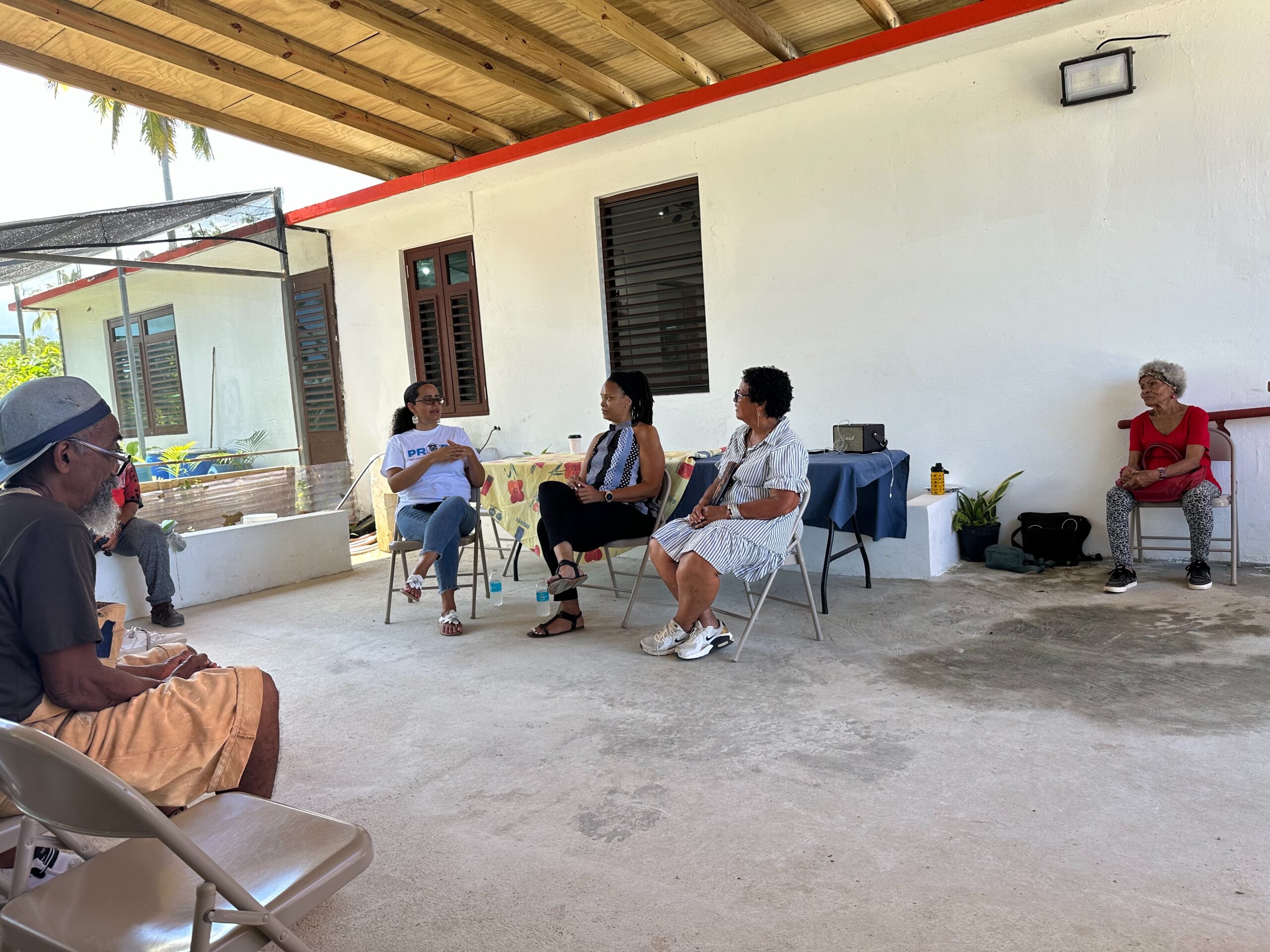
María Luisa runs a cultural center in Loíza called El Ancón de Loíza, a space inherited from her father and rooted in family tradition dating back to the early 1900s. This center served as a hub for community gathering, food, dominoes, and bomba. Located by the river, it was a literal and symbolic crossing point—connecting communities from Cangrejos, Piñones to Loíza via boat. It was a place of sustenance, joy, and cultural affirmation.
This history is vital to understanding bomba’s development. Loíza and other areas like Cangrejos were home to free Black communities and maroon spaces. These legacies of freedom and resistance are central to bomba’s origins and evolution.
The conversation between María Luisa and Desseree revealed striking parallels between El Ancón and La Casita de Chema. Both are examples of maroon practices—spaces of self-reliance, life-affirmation, and community building. Despite being separated by time and geography, they share a commitment to resisting colonial dispossession and affirming Black Puerto Rican life.
La Casita de Chema, born out of the Bronx’s era of urban neglect and dispossession in the 1970s, has become a federally and state-recognized historic landmark. This recognition provides a form of protection and legitimacy, though Desseree rightly notes that displacement remains a constant threat, especially under the conditions of anti-Blackness, gentrification and so-called development.
In Puerto Rico, another location in Loíza en Las Carreteras known as el Prebistero Cepeda recently received historic landmark status. This recognition, while significant, also highlights the colonial dynamics at play—who gets to authorize history, and whose histories are preserved. The process of historicizing these spaces is both a refusal to be forgotten and a strategic engagement with state power.
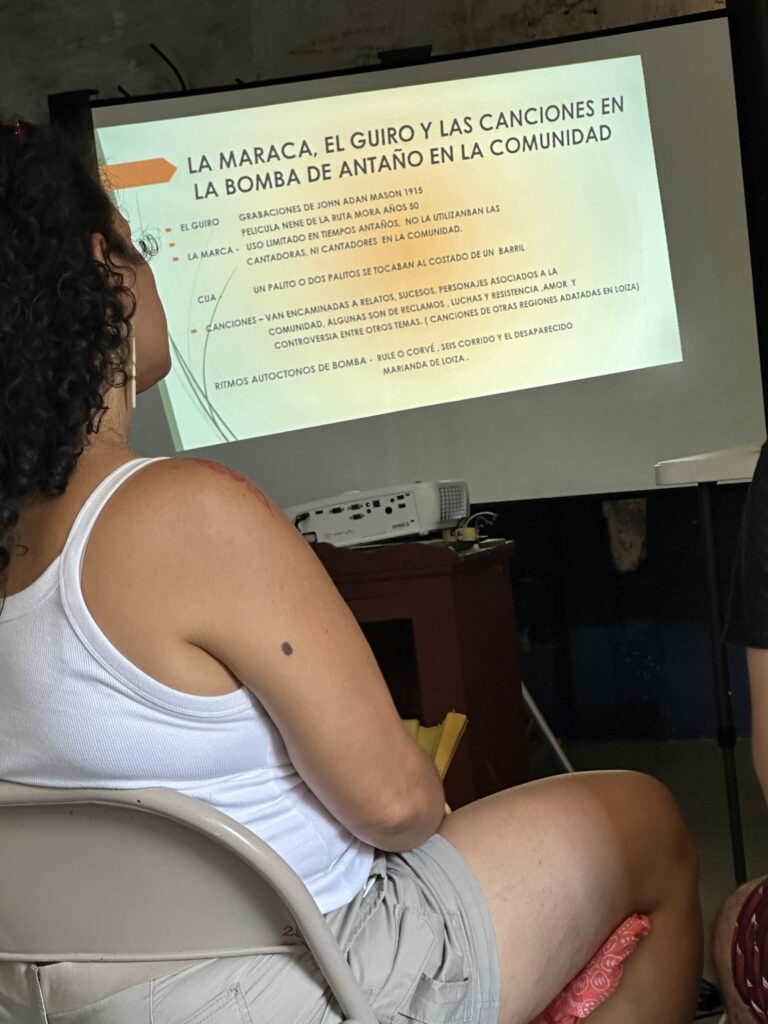
Indexed as a communal act of refusal against the backdrop of anti-black erasure and violence from the colonial and imperial borders of Puerto Rico’s maroon communities, bomba does tell particular stories that may be different from the state’s narrative. For many Afro-Puerto Ricans, ancestral memory is linked with not only the embodied archive of music and dance and lyrics, but also in the very instrumentation. The practice of bomba today is a reenactment of cimaron life affirming ways that refuses the state’s racializing discourse, over centuries. This came to a heed in the conference during Marcos Peñaloza Pica talk where he reminds attendees that the appropriation of the maraca in bomba is a relatively recent addition to the bomba lexicon. According to the state however, While the state is concered with syncretizing bomba to fit a culturally nationalist anthropological approach to nation building, they transform bomba into a symbol of national puerto rican heritage. Suddenly Maracas in bomba racially indexes Indigenous “contribtution” to the history of bomba. While bomba is a Black music, the existence of may not always visibly center Blackness, due in part to state-led whitening (blanqueamiento) efforts. One example is the mestizaje trope, which falsely attributes bomba’s elements to a tri-racial myth—
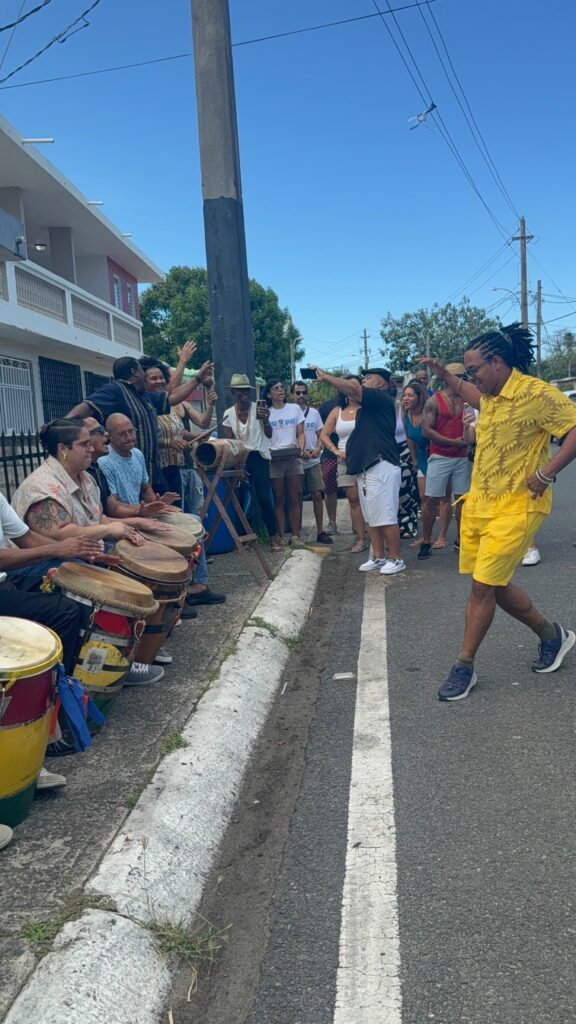
As I continue my research on bomba in New York City, I’m struck by how these practices are continuously remixed and reenacted—across decades and generations. These acts of refusal and affirmation create spaces where Black people can be seen, heard, and expressive.
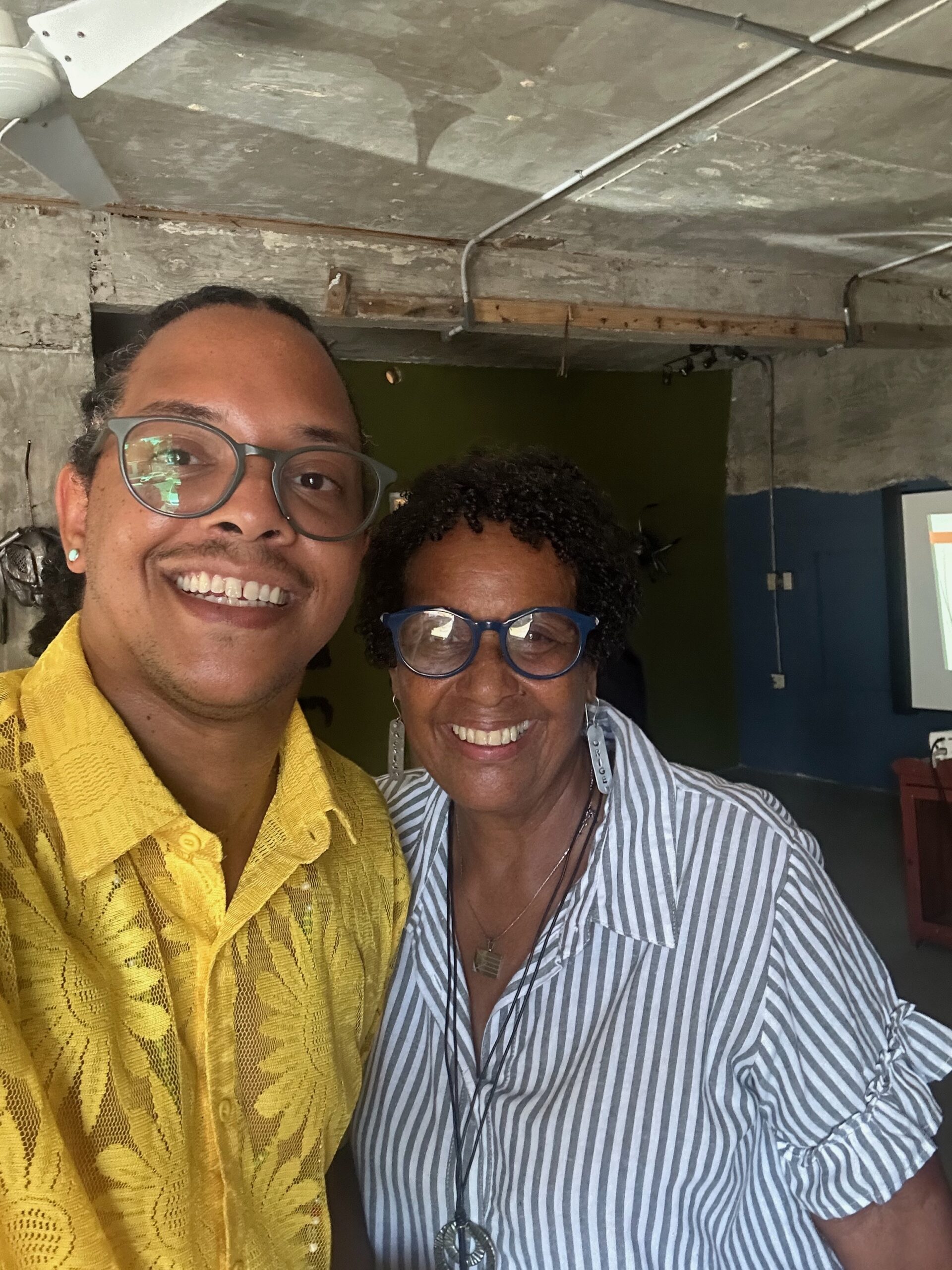
I also had a personal moment of connection during the trip. María Luisa Cortijo, who grew up in Residencial Llorens Torres, mentioned her cousin from the housing projects—my aunt Coco, Luz Cortijo. This familial link reminded me that tDhese cultural practices are not just reenactments; they’re deeply personal and rooted in lived experience. Displacement doesn’t erase identity. These life-affirming practices endure, even across borders.
In sum, bomba is not just music—it’s a living tradition of resistance, memory, and community. Whether in Loíza or the Bronx, these spaces continue to affirm Black life and challenge colonial erasure.

